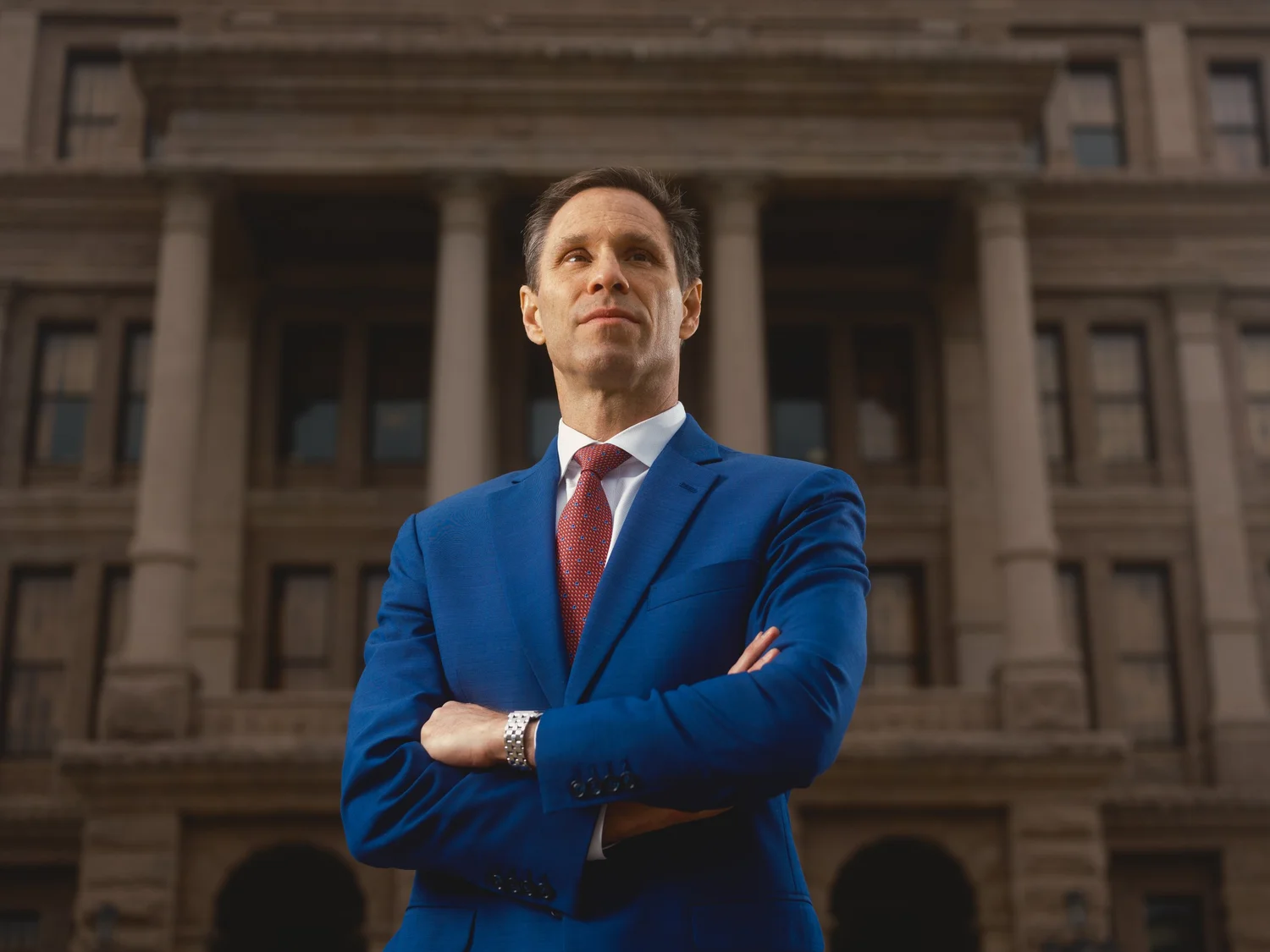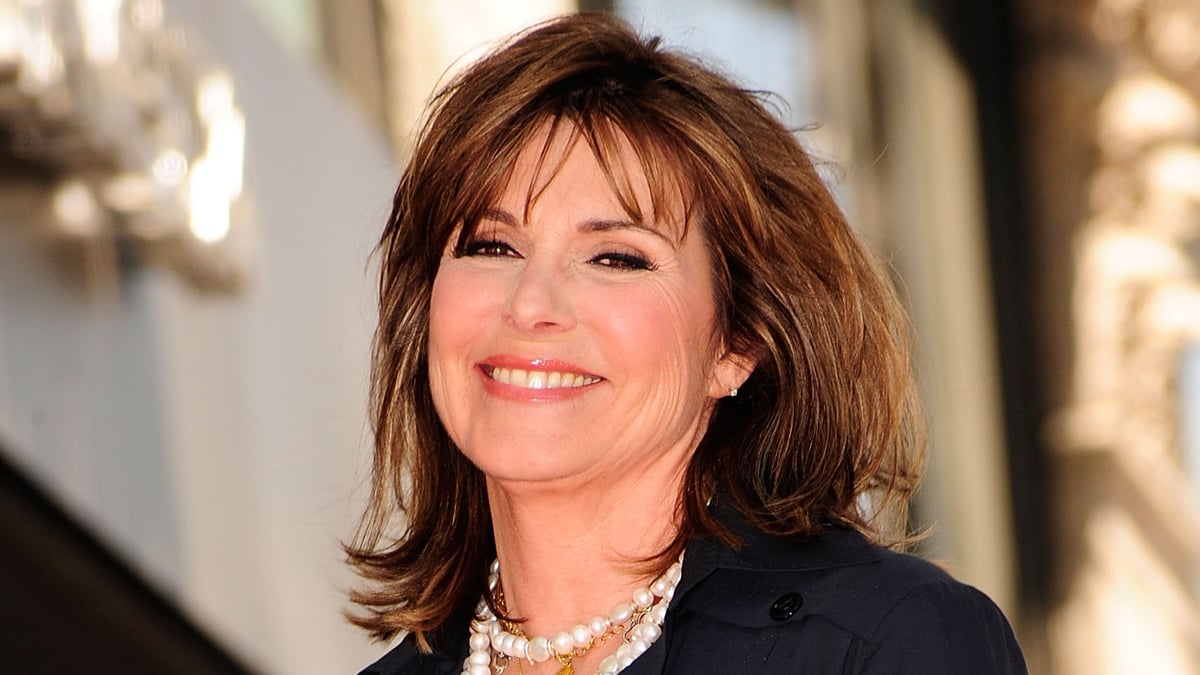

Isaya Yunge Parents: Solomon and Tabitha Waigwa, His Adoptive Family and Childhood Before Marrying Charlene Ruto
Isaya Yunge’s family came into public focus after his November 6, 2026, wedding to Charlene Ruto in Mwanza, Tanzania. Following the ceremony, Solomon Waigwa, identified in wedding coverage as Yunge’s adoptive father, shared photographs and a message welcoming the couple’s new chapter. His wife, Tabitha, also appeared in reporting about the family’s celebrations.
The wedding took place at Malaika Beach Hotel and brought together relatives and political figures from Kenya and Tanzania. Charlene’s father, Kenyan President William Ruto, walked her down the aisle. For readers asking about Yunge’s parents, however, the important distinction is between the family supporting him now and the biological parents discussed in accounts of his difficult childhood.
Solomon and Tabitha Waigwa have been described publicly as Yunge’s parents, while more detailed coverage specifically calls Solomon his adoptive father. The names of Yunge’s biological mother and father were not established by the reliable material reviewed for this article. They should not be replaced with guesses or confused with his parents-in-law.
Yunge has spoken about growing up after his parents separated, and profiles describe periods in his grandmother’s care and other challenging circumstances. Those experiences form part of his public story as a Tanzanian technology entrepreneur, but the available accounts do not provide a complete record of every family arrangement during his childhood.
Who are Solomon and Tabitha Waigwa in Isaya Yunge’s family?
Solomon Waigwa was a visible member of Yunge’s family during the wedding celebrations. In coverage published after the ceremony, he was identified as the groom’s adoptive father. His public message celebrated family, love and new beginnings, and congratulated the newly married couple.
Tabitha is Solomon’s wife. A separate report described the pair meeting Ida Odinga during the Mwanza celebrations, with Solomon later thanking her for showing warmth toward him and Tabitha. Photographs of that encounter helped draw attention to the relatives gathered around the groom.
The distinction between adoptive and biological parentage matters here. Calling Solomon Yunge’s father follows the family relationship described in the reporting; calling him Yunge’s biological father would go further than the available evidence supports. Equally, Tabitha’s appearance beside Solomon does not establish the details of any legal adoption arrangement.
Wedding coverage often uses shortened descriptions because its main subject is the ceremony. For a family profile, the careful formulation is that Solomon is reported to be Yunge’s adoptive father and that Solomon and his wife Tabitha are publicly presented as part of his parental family.
What has Isaya Yunge shared about his biological parents and childhood?
Yunge has said that his parents divorced when he was young. A resurfaced video discussed in Kenyan reporting included his account of growing up without his parents and spending time in foster homes. Other profiles describe his grandmother raising him during part of his childhood.
These accounts establish that his upbringing involved disruption and care beyond his birth parents. They do not establish a verified public biography of either biological parent, including their full names, occupations or current circumstances. Claims supplying those missing details require independent evidence.
Ashoka’s profile of Yunge also connects his early hardship with his later work on educational opportunity. It describes difficulties finding acceptance within his family and a period spent on the streets of Mwanza. That background helps explain why access to education became a prominent theme in his work.
Pulse Kenya’s profile describes a childhood that included herding livestock and working around rice plantations. It also reports that he later studied insurance and risk management at the Institute of Finance Management in Dar es Salaam. These experiences belong to his own biography and should not be used to infer unreported facts about his parents.
How did the wedding introduce his family to a wider audience?
Yunge’s relationship with Charlene brought his personal life to a much larger audience. The November wedding followed a traditional engagement ceremony hosted by the Ruto family in Narok County in August 2026. The two events connected his Tanzanian background with Charlene’s Kenyan family.
Relatives travelled to Mwanza ahead of the white wedding, with Solomon leading a family delegation. The ceremony itself included prominent guests, but the photographs and messages shared afterward offered a more personal view of the people celebrating with the groom.
Yunge was already known for technology and social entrepreneurship before the marriage. His SomaApp work focused on connecting students with scholarship opportunities, addressing the gap between available funding and young people who did not know how to find it. Ashoka’s account presents that educational mission as closely connected to his own experiences.
His wife’s parents are President William Ruto and Rachel Ruto. They are his parents-in-law, rather than the people who raised him. Keeping those relationships separate is particularly useful when wedding headlines refer broadly to the joining of two families.
The verified public picture is therefore specific but incomplete: Solomon Waigwa is identified as Yunge’s adoptive father, Tabitha is Solomon’s wife, and Yunge has described a childhood affected by his biological parents’ separation. Their unverified names and private circumstances remain outside the established record.